Gardener Brimsdown: Recycling and Sustainability for an Eco-Friendly Waste Disposal Area
Welcome to Gardener Brimsdown—our practical plan for an eco-friendly waste disposal area and a sustainable rubbish gardening area that supports local green spaces. As a Brimsdown gardener team we combine sound horticultural practice with robust waste management to reduce disposal volumes and increase resource recovery. This page outlines targets, local partnerships, and on-the-ground actions that make our gardening operations cleaner, greener and more circular in approach.Designing an Eco-Friendly Waste Disposal Area
Creating a dedicated, well-signposted disposal zone is central to our approach. The disposal area is designed to separate streams at source—clean recyclables, garden waste, food/organic material and residual rubbish—matching the borough's approach to waste separation. We prioritise containerised segregation, covered compost bays, and clear signage so crews and residents know where each item belongs. Efficient layout and routine audits reduce cross-contamination and increase the quality of material recovered for recycling or composting. Our sustainable rubbish gardening area is more than a skip: it is a managed resource hub. We implement phased storage for green waste to speed composting and maturation, and we operate small-scale screening to separate inert materials from soil and organics. The area supports local reuse where appropriate—donating clean topsoil or untreated timber to community projects rather than sending them to landfill.
Recycling Percentage Target and Measurement
We have set a clear recycling percentage target: 70% recycling and reuse of garden and associated waste by 2030. This target is ambitious yet achievable through better separation, partnerships, and preventative measures. Regular weight-based recording at local transfer stations provides the monitoring backbone—data on tonnes collected, contamination rates and end-destination streams feed continuous improvement cycles. We report progress internally and use targets to prioritise interventions where they will reduce residual waste the most.Local transfer stations play a pivotal role: they offer consolidation, pre-processing and onward transport to treatment facilities. By routing garden waste through nearby transfer hubs we cut long-haul trips, reduce vehicle miles and improve material traceability. Our relationships with transfer stations also enable targeted recycling activity relevant to the area, such as:
- separating green/garden waste for aerobic composting;
- sorting clean wood and timber for chipping and mulching;
- diverting food and small organic streams to anaerobic digestion where available;
- collection of textiles, small electricals and mixed recyclables via community reuse points.
 We work with borough-level collection schemes so the Gardner in Brimsdown service aligns with municipal bins and kerbside separation rules. That coherence improves capture rates and reduces the need for post-collection sorting at energy-intensive facilities.
Partnerships with Charities and Reuse Organisations
Partnerships are essential to close the loop. We collaborate with local charities, community reuse centres and social enterprises to ensure reusable items removed from gardens—furniture, planters, tools and salvaged paving—are offered for reuse rather than destruction. These partnerships provide social value: items get a second life, local charities gain income, and landfill-bound volumes fall.Our protocol includes documented handover procedures, quality checks and agreed collection points to make transfers smooth and traceable. Where items are unsafe for reuse we channel materials to appropriate recycling streams (wood recycling, metal salvage or plastics processing) so no viable resource is wasted.
 Low-carbon vans and smarter logistics underpin our operational sustainability. Our fleet moves to low-emission vehicles—battery-electric vans and plug-in hybrids—prioritising electric for inner-urban work within the Brimsdown area. Route optimisation software reduces mileage, and scheduled charging at off-peak times minimises grid impact. Simple practices, such as reducing idling, consolidating visits and using cargo bikes for small deliveries, further shrink carbon output.
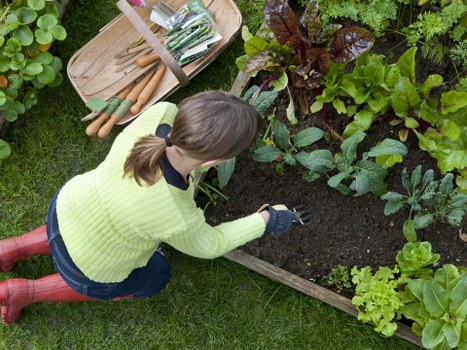 The sustainable rubbish gardening area also focuses on soil health and circular inputs: we process woodchip into mulch for reuse, screen compost to create quality soil improvers, and capture rainwater to reduce mains irrigation. These steps reduce the need for external peat-based products and imported aggregates. As a Brimsdown gardening service we emphasise on-site reuse wherever safe and practical.
Community engagement complements infrastructure: we run simple training for crews and volunteers on separation rules, seasonal composting techniques and safe reuse practices. Clear colour-coded signage and regular audits maintain quality and support the borough's wider waste separation policies. We avoid complex schemes in favour of straightforward, repeatable actions that deliver measurable waste reduction.
Measurement, transparency and continuous improvement are central. We track tonnes diverted, contamination rates, vehicle emissions, and volumes passed to charity partners. By targeting 70% recycling and reuse by 2030, investing in low-carbon vans, and working with local transfer stations and charities, Gardener Brimsdown aims to create a resilient, circular model for garden waste and sustainable waste disposal areas that benefits neighbourhoods, biodiversity and the climate.