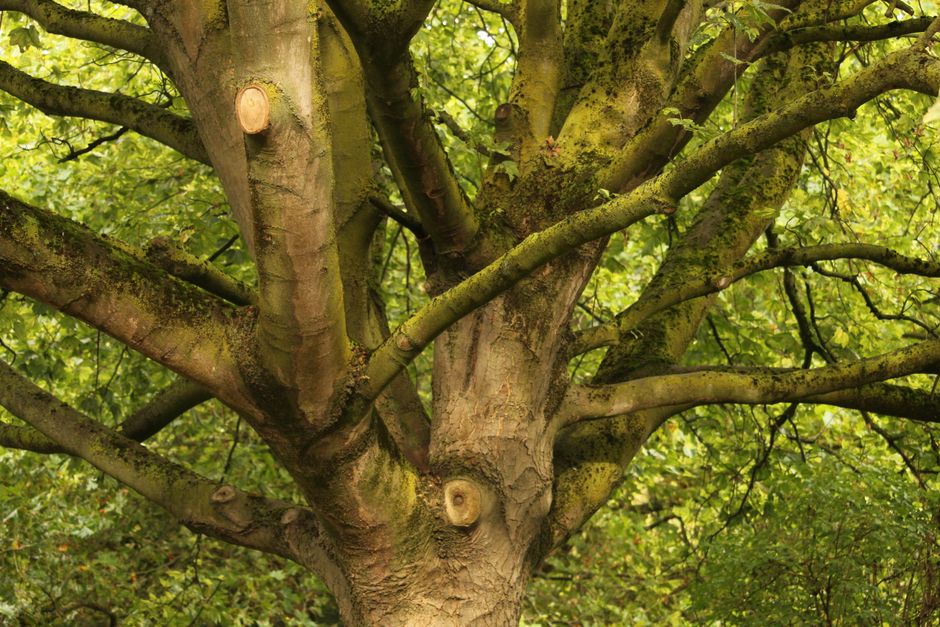
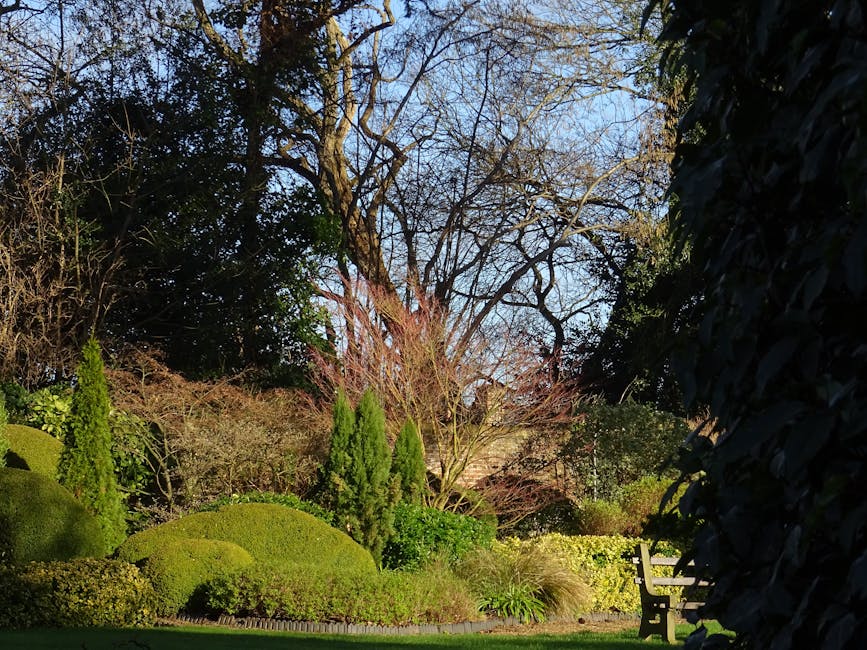
Tree work TPO advice for Brimsdown gardens by gardeners
If you are planning tree work in Brimsdown, the awkward question usually comes first: can I actually do this legally? That is where Tree Preservation Orders, or TPOs, matter. A tree can look like "just a tree in the garden", but if it is protected, the wrong cut can turn a simple tidy-up into a costly problem very quickly. This guide gives practical Tree work TPO advice for Brimsdown gardens by gardeners, so you can understand what is allowed, what needs checking, and how to move forward without guesswork.
Whether you are dealing with an overgrown oak, a boundary tree leaning over a fence, or branches shading out the lawn, the safest approach is careful, local, and properly planned. The aim here is not to scare you off. It is to help you avoid the usual traps, protect the health of your trees, and make sensible decisions for your garden, your neighbours, and your peace of mind.
Table of Contents
- Why Tree work TPO advice for Brimsdown gardens by gardeners Matters
- How Tree work TPO advice for Brimsdown gardens by gardeners Works
- Key Benefits and Practical Advantages
- Who This Is For and When It Makes Sense
- Step-by-Step Guidance
- Expert Tips for Better Results
- Common Mistakes to Avoid
- Tools, Resources and Recommendations
- Law, Compliance, Standards, or Best Practice
- Options, Methods, or Comparison Table
- Case Study or Real-World Example
- Practical Checklist
- Conclusion
- Frequently Asked Questions
Why Tree work TPO advice for Brimsdown gardens by gardeners Matters
TPOs exist to protect trees that contribute real environmental, visual, or amenity value. In plain English, if a tree is protected, you cannot just prune, top, uproot, or fell it because it is blocking light or dropping leaves. You need to know the rules before a saw or lopper comes out. That sounds obvious, but in practice it is where many jobs go wrong.
Brimsdown gardens often combine mature trees, smaller plots, fences, sheds, patios, and neighbours who are only a few steps away. So a branch overhanging a driveway can quickly become a dispute, and a careless cut can damage the tree for years. To be fair, most people do not set out to do anything wrong. They just assume "maintenance" is always allowed. It is not always that simple.
Good advice matters because tree work can affect safety, tree health, property value, and compliance. A poor cut can leave a tree unstable, invite disease, or trigger a complaint. A well-planned cut, by contrast, can improve light, reduce risk, and keep the garden usable without creating avoidable trouble.
For homeowners, landlords, and anyone managing a garden, the real value is certainty. You want to know what can be done, what needs permission, and what kind of contractor or gardener is best suited to the job. If you are already balancing tree care with wider garden improvements, it can also help to look at broader garden maintenance or even coordinate the work with landscaping so the garden feels finished rather than half-managed.
How Tree work TPO advice for Brimsdown gardens by gardeners Works
The process is usually more straightforward than people expect, but it does need a bit of care. First, identify whether the tree is protected. A TPO may apply to one tree, several trees, or an entire group. Some trees are also protected because they sit in a conservation area. The label matters, because the permission path can differ, and mistakes can lead to enforcement action.
Once a tree is suspected to be protected, the next step is not cutting it back "just a little". It is gathering the right information. That normally includes the tree species, location, visible condition, the proposed work, and the reason for it. If the tree is dead, dangerous, or causing structural problems, that should be explained clearly and supported with evidence where possible.
After that, a professional gardener or tree specialist will normally work out whether the job is exempt, whether an application or notice is needed, and what level of pruning is appropriate. In many cases, the answer is not full removal. Often it is selective crown reduction, deadwood removal, or careful formative pruning. Small detail, big difference.
If you need more than light pruning, it is sensible to involve a team that understands tree work alongside garden care, such as a dedicated tree lopping and removal service. That way, the work can be assessed properly rather than treated like a quick hedge trim with a bigger machine.
The practical flow tends to look like this:
- Check whether the tree is protected or in a conservation area.
- Assess the tree's condition and the reason for the work.
- Decide whether the proposed job is pruning, reduction, crown lift, deadwood removal, or removal.
- Gather photos and notes, especially if safety concerns exist.
- Seek permission or submit the required notice/application where needed.
- Carry out the work carefully, keeping cuts proportionate and tree-friendly.
- Clear up safely and review whether aftercare is needed.
That final step matters more than it sounds. A tidied tree is not the end of the job if there are wounds to monitor, regrowth to manage, or nearby beds that need recovery. Garden work has a way of revealing the next task, doesn't it?
Key Benefits and Practical Advantages
Done properly, TPO-aware tree work is not just about staying out of trouble. It can improve the whole feel of a garden. Light levels change. Airflow improves. Lawns recover. Borders stop feeling boxed in. And a tree that has been pruned with care usually looks better than one that has been hacked back in a rush.
Here are the main advantages people notice:
- Less risk of accidental damage: You avoid fines, disputes, or the cost of reversing bad work.
- Better tree health: Correct pruning supports structure and reduces stress on the tree.
- Improved garden usability: More light and space can transform a patio, lawn, or seating area.
- Clearer decision-making: You know whether you need permission, rather than guessing.
- Better neighbour relations: Planned work is easier to explain and less likely to cause friction.
- Safer property management: Weak limbs, overextended branches, and deadwood can be addressed before they become a problem.
There is also a design benefit that gets overlooked. Tree work, when paired with broader garden care, can make a tired plot feel balanced again. A mature tree near a path might be kept, but reshaped. A hedge line can be trimmed to sit neatly under the canopy. That kind of coordination is where a knowledgeable gardener really earns their keep.
If the wider garden needs reshaping after the tree work, it may be worth pairing the job with hedge trimming or even a tidy-up through garden clearance so you are not left with a half-finished space and a pile of debris waiting for another day.
Who This Is For and When It Makes Sense
This advice is useful for any Brimsdown homeowner or tenant with trees close to buildings, fences, footpaths, or driveways. It also matters if you manage a rental property, a shared garden, or a small commercial outdoor space where trees contribute to safety and appearance.
You especially need to slow down and check the facts if:
- the tree is large, mature, or visibly established
- you have heard it may be protected but are not sure
- branches are overhanging a neighbour's land
- the tree is shading a lawn, pond, or vegetable bed
- there is deadwood, decay, storm damage, or leaning growth
- roots may be affecting paving, drains, or structures
- you are planning building or garden redesign work nearby
It also makes sense if you are trying to balance several garden tasks at once. For example, tree pruning may be best timed alongside seasonal mowing, edging, or general maintenance so the whole space is cleaned up in one go. In a smaller garden, a single overgrown tree can make everything else look messy. One branch here, one branch there, and suddenly the whole plot feels tighter than it should.
If the work is part of a larger outdoor refresh, you may want to look at services overview planning so tree care, lawn care, and borders are handled in a coordinated way rather than as isolated jobs.
Step-by-Step Guidance
Here is a practical route through the process. It is deliberately simple, because the garden itself is usually complicated enough.
1. Identify the tree and the issue
Start with the basics. What tree is it? Where is it located? What is the actual concern: shade, safety, dead branches, roots, or size? The clearer your starting point, the easier the advice will be. A vague "it's too big" is not very helpful. "Large limb over the shed, possibly deadwood on the south side" is much better.
2. Check whether protection may apply
Look for signs that the tree might be protected. If you are unsure, do not assume it is free to work on. That is the point where people often trip up. A short conversation with a knowledgeable gardener or tree professional is cheaper than dealing with a mistake later. No drama, just common sense.
3. Decide what kind of work is actually needed
Not every problem calls for removal. In many cases, the right answer is targeted pruning, crown lifting, deadwood removal, or selective reduction. Cutting too much is one of the fastest ways to damage both appearance and tree health. Less can be more here, even if that sounds a bit unexciting.
4. Gather photos and a clear explanation
Photos from different angles help enormously. Include close-ups of the concern and wider shots showing the tree in context. If a branch is dangerous or if there is damage after high winds, make a note of when the issue appeared. A little practical evidence goes a long way.
5. Seek the right permission or confirmation
If consent, notice, or application is needed, get that sorted before any work begins. This is not the glamorous part, but it is the part that protects you. If the tree is not protected, it is still wise to document why you reached that conclusion. A tidy record can save a lot of back-and-forth later.
6. Book the work with the right team
Choose someone who understands both tree management and garden care. That matters because the best outcome usually comes from seeing the whole site, not just the branch in front of you. A tree job can spill into surrounding beds, lawns, paths, and fences very quickly. Proper planning avoids those awkward surprises.
7. Review the result and aftercare
After the work, check that the tree still has a sensible shape and enough structure left for healthy regrowth. If needed, plan follow-up care, such as mulching, watering in dry periods, or adjusting nearby planting. A garden is a living system, after all. It does not switch off once the saws are packed away.
Expert Tips for Better Results
There are a few habits that consistently lead to better outcomes, especially on smaller domestic plots where every cut is visible from the kitchen window.
- Prune with a purpose. Every cut should solve a real problem or improve structure. Random tidying can create future issues.
- Respect the tree's shape. Trees are not shrubs. They need canopy balance, not a boxed-in silhouette.
- Work with the season. Timing affects recovery, regrowth, and garden usability. Winter can suit some jobs; other trees do better with a gentler approach at different times.
- Think beyond the tree. Roots, shade, drainage, and nearby planting all matter. A branch cut alone does not solve everything.
- Plan the clean-up. Branches, twigs, and sawdust are part of the job. If the site is small, the tidy-up can take nearly as long as the cutting. Honestly, that happens more than people expect.
- Keep neighbours in the loop. Especially where branches hang across boundaries. A quick heads-up can prevent silly misunderstandings.
If the garden feels crowded or untidy overall, tree work often goes best when combined with a broader maintenance plan. That might include lawn mowing to restore the ground layer, or finishing touches from landscape gardening if you are aiming for a more coherent layout.
Expert summary: The best TPO tree work is usually the least dramatic-looking work. It is careful, proportionate, and clearly justified. If a cut looks heroic, it is often the wrong cut.
Common Mistakes to Avoid
Most problems come from rushing, guessing, or treating a protected tree like ordinary hedge growth. Let's face it, a lot of garden mishaps start with "I thought it would be fine".
- Assuming a tree is unprotected: If you have not checked, you do not know.
- Over-pruning: Heavy cuts can stress the tree and leave it ugly for years.
- Using the wrong contractor: A general handyman may not have the right tree knowledge.
- Ignoring root issues: Problems below ground can be just as important as canopy concerns.
- Skipping permissions: Even well-intended work can lead to trouble if the tree is protected.
- Focusing only on appearance: A neat shape is good, but structure and health matter more.
- Leaving waste unmanaged: Untidy branches can block access, damage turf, and create trip hazards.
One common local scenario is the "quick fix" before a family gathering or a property viewing. People want the garden to look better by the weekend. Fair enough. But a rushed job can be worse than waiting a few more days to do it properly. The tree will still be there next week.
Tools, Resources and Recommendations
You do not need a shed full of specialist kit to make a sensible start. What you do need is the right information and a cautious approach.
Useful things to have ready include:
- clear photographs of the tree and the problem area
- a rough sketch or note of where the tree sits in relation to buildings and boundaries
- details of any visible decay, storm damage, or dieback
- access information for narrow side passages or awkward garden layouts
- notes on recent changes, such as flooding, root movement, or construction work
For more complex jobs, it helps to work with a team that can handle the full outdoor picture, not just the tree. If the garden needs a heavier reset after pruning, you might combine the work with garden clearance or, where the space needs a fresh start, a broader landscaping plan. That makes the whole job more efficient and far less chaotic.
Practical recommendation: keep a simple record of what was checked, what was agreed, and what work was done. Even a few notes on your phone can be surprisingly useful later. It is not glamorous, but it saves head-scratching.
Law, Compliance, Standards, or Best Practice
Tree work around TPOs touches property law, planning controls, safety, and environmental care. Because of that, the safest advice is to treat any protected tree as a no-cut zone until you have checked the status and the required process. If a tree is covered by a TPO or sits in a conservation area, different rules may apply, and those rules can change depending on the kind of work being proposed.
Best practice in the UK generally means doing the following carefully:
- check the tree's protection status before work begins
- avoid unnecessary pruning or removal
- use proportionate, well-justified cuts
- keep records of the reason for the work
- use competent people for higher-risk tree tasks
- make safety a priority for workers, residents, and neighbours
In real terms, that means a gardener should not simply "have a go" if the job may involve protected status, height risk, unstable limbs, or complex access. A compliant approach is usually slower at the start, and much smoother later. That is the trade-off. A good one, really.
It is also sensible to check contractor standards around safety, public liability, and site practice. If you are comparing providers, it may help to review insurance and safety, and if you want to understand the company's wider service approach, the about us page can give useful context on how they work.
Options, Methods, or Comparison Table
Not every tree job needs the same method. Choosing the right approach depends on the tree's condition, location, and protection status. Here is a simple comparison to make the options easier to weigh up.
| Method | Best for | Pros | Watch out for |
|---|---|---|---|
| Light pruning | Minor shaping, small intrusions, tidy-up work | Low impact, preserves tree structure | Can be underdone if the issue is bigger than expected |
| Crown lifting | Improving clearance above paths, lawns, or lower planting | Improves access and light | Needs a balanced, professional finish |
| Crown reduction | Reducing size while keeping the tree in place | Often a better alternative to removal | Over-reduction can weaken the tree |
| Deadwood removal | Safety concerns, decay, storm damage | Improves safety and tidiness | Must be assessed carefully to avoid removing sound wood unnecessarily |
| Removal | Severe decline, major risk, major site conflict | Resolves some difficult problems | Usually the most disruptive option; may need stronger justification |
In many Brimsdown gardens, the better choice is not the most dramatic one. A crown reduction or selective pruning can preserve shade, habitat, and shape while solving the practical issue. Removal should be the last resort, not the default. That said, if a tree is genuinely unsafe or beyond recovery, pretending otherwise helps nobody.
Case Study or Real-World Example
Picture a typical back garden in Brimsdown: a medium-sized mature tree near the rear boundary, a lawn underneath, a shed catching bits of leaf litter, and a neighbour asking whether branches can be cut back from their side. The owner wants more afternoon light and worries the tree is too close to the fence.
A rushed approach would be to cut back hard and "see how it looks". A better approach is to inspect the tree properly, confirm whether protection applies, and decide whether light reduction, crown lifting, or deadwood removal would solve the issue with less impact. In this kind of garden, the best result is often subtle. You notice it more in how the space feels: less shade, cleaner edges, and a calmer view from the patio.
After the work, the lawn gets a bit more light, the shed is no longer being peppered with debris, and the border plants stop stretching awkwardly towards the brightest patch. The garden does not become a different place overnight, but it feels easier to use. That is usually the real win. Not flashy. Just better.
If the tree work uncovers other jobs, such as damaged edging, tired planting, or a garden layout that no longer flows well, it can be smart to fold those into a longer-term outdoor plan rather than dealing with them piecemeal. That is where the wider garden picture really matters.
Practical Checklist
Use this before any tree work starts. It keeps the process grounded and stops small issues becoming big ones.
- Confirm the tree's exact location in the garden.
- Check whether a TPO or conservation area protection may apply.
- Identify the specific issue: shade, safety, roots, damage, or overgrowth.
- Take clear photos from several angles.
- Decide whether pruning, reduction, lifting, deadwood removal, or removal is actually needed.
- Confirm whether permission or notice is required before work.
- Choose a competent gardener or tree specialist.
- Make sure access, waste removal, and site protection are planned.
- Protect nearby plants, lawns, paving, and structures.
- Review the finished work and note any follow-up care.
Short version? Check first, cut later. Every time.
Conclusion
Tree work in a Brimsdown garden should never be a case of guesswork and hope. With TPO advice, the key is to understand the tree, understand the protection, and choose the smallest sensible intervention that solves the problem. That approach protects your garden, your legal position, and the tree itself.
In practice, the best results come from calm planning, clear records, and a respectful approach to the tree's structure. Whether you need a light tidy, more serious pruning, or a broader garden reset, the smartest move is to get the facts first and then act with confidence. Gardens have enough surprises already, honestly.
If you are comparing options, want a clearer view of costs, or simply need help figuring out the right next step, take a look at pricing and quotes and the main services overview to see how the work might be organised.
Get a free quote today and see how much you can save.
When tree care is handled properly, a garden feels lighter, safer, and more settled. That is a good feeling to come home to.
Frequently Asked Questions
What does TPO mean in simple terms?
TPO stands for Tree Preservation Order. It is a legal protection that can apply to a tree, a group of trees, or a woodland area. If a tree is protected, certain types of work usually need permission first.
Can I cut back a tree in my garden if it is overhanging my boundary?
Not always. If the tree is protected, or if the work would affect its shape or health significantly, you may need permission. Even where overhanging branches are involved, it is best to check carefully before cutting.
How do I know if a tree in Brimsdown has a TPO?
You should not rely on guesswork. A gardener or tree professional can help check the tree's status and advise on the next step. It is worth confirming before any work begins, especially if the tree looks mature or prominent.
Is crown reduction allowed on a protected tree?
Sometimes, yes, but it depends on the tree's status and the justification for the work. Crown reduction should be proportionate and planned carefully. Heavy reduction just for convenience is rarely the right answer.
What happens if tree work is done without permission?
If a protected tree is altered without the right approval, the owner may face enforcement action or other consequences. That is why it is so important to check first and keep records of the work proposed.
When is tree work usually safest to carry out?
That depends on the tree species, the condition of the tree, and the type of work needed. Some jobs suit dormant periods, while others are better handled with more careful timing. A site-specific assessment is always the safer route.
Should I choose a gardener or a tree surgeon?
For light, garden-integrated work, a skilled gardener may be enough. For larger trees, complex pruning, safety concerns, or protected trees, a specialist with tree experience is usually the better choice. The job should guide the contractor, not the other way round.
Can tree roots damage paving or structures?
Yes, roots can affect paving, paths, and nearby features in some situations. But it is important not to assume the roots are always the cause. Good diagnosis matters because the wrong fix can create more problems than it solves.
Do I need permission to remove a dead tree?
Not automatically, but you should never assume. Even dead or dangerous trees may still have protection, and evidence of the tree's condition may be needed. Photographs and a sensible assessment are very useful here.
How much tree work should be done at once?
Usually, only as much as is needed to solve the issue safely and neatly. More is not always better. A modest, well-judged cut is often kinder to the tree and gives a better result in the garden.
Can tree work be combined with other garden jobs?
Absolutely. In fact, it often works better that way. Many people combine tree work with garden maintenance, hedge trimming, or a broader tidy-up so the garden feels properly finished.
What should I ask before booking tree work?
Ask whether the tree may be protected, what type of work is being recommended, how the team will protect nearby areas, how waste will be handled, and whether they carry suitable insurance. Clear answers early on save a lot of stress later.