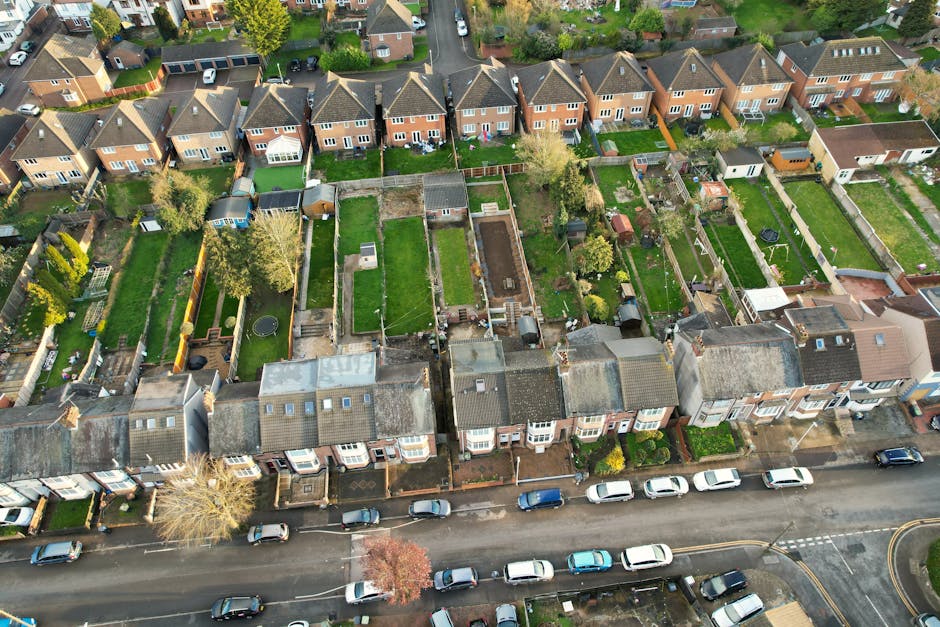
Lea Valley garden services for Brimsdown homes near reservoir

If you live in Brimsdown and your garden sits close to the reservoir or along the Lea Valley edge, you already know the mood can change fast. One week it feels bright and tidy; the next, damp shade, wind-blown debris, moss, and scruffy borders have crept in. That is exactly where Lea Valley garden services for Brimsdown homes near reservoir become genuinely useful: not as a luxury, but as a practical way to keep a garden healthy, usable, and presentable through the seasons.
This guide breaks down what the service means, how it works, what good garden care looks like in this part of North London, and how to choose the right mix of maintenance, clearance, lawn care, hedging, landscaping, and tree work. It is written for homeowners who want clear answers, not sales fluff. Let's get into it.
Why Lea Valley garden services for Brimsdown homes near reservoir Matters
Gardens in this part of Enfield have their own character. You often get a mix of open exposure, pockets of shade, heavier moisture in low spots, and soil that can behave differently from one end of a plot to the other. Near the reservoir, those conditions can be even more noticeable. Grass may stay wetter for longer, hedge growth can become uneven, and patios or paths may gather algae more quickly than you expect. Not dramatic, but annoying. And persistent.
That is why local knowledge matters. A gardener who understands Lea Valley conditions is usually better placed to choose the right timing for mowing, hedge trimming, pruning, clearance, and seasonal tidy-ups. They are also more likely to spot the small issues early: compacted soil, blocked drainage, thinning lawn patches, or a shrub that has simply outgrown its position and is starting to swallow light from the rest of the garden.
For Brimsdown homes near the reservoir, the job is not only to "make it look nice". It is to keep everything manageable. A garden that is left too long in a damp, windy setting can become harder to recover than you might think. You start with a bit of leaf build-up, then the edges go, then the grass starts to look tired, and suddenly the whole place feels like a chore. That creeping effect is exactly what regular garden care prevents.
If you want a fuller picture of the wider service range available, the services overview is a sensible place to understand how maintenance, clearance, lawn care, hedge work, and landscaping fit together.
Expert summary: In this area, the best garden service is usually the one that balances routine maintenance with occasional corrective work. Small, regular jobs keep costs and effort lower than late, heavy intervention.
How Lea Valley garden services for Brimsdown homes near reservoir Works
At a practical level, local garden services usually begin with a site check. That does not have to be fancy. It is often a walk-through of the front and back garden, a look at access, a discussion about priorities, and a quick sense-check of what is growing well and what is not. The aim is to decide whether the property needs maintenance only, a one-off rescue, or a more structured plan.
A typical service mix for Brimsdown homes near the reservoir might include:
- lawn mowing and edge finishing
- hedge trimming and shaping
- border weeding and tidying
- leaf collection and seasonal clearance
- tree pruning or removal where necessary
- garden restoration or light landscaping
- decking or hard-surface improvements if the layout needs it
The work itself is often scheduled around the condition of the garden rather than a rigid calendar. For example, a lawn growing in a shaded, damp corner may need a different mowing rhythm than a sunnier section. A hedge near a boundary may need more frequent reduction to stay neat and prevent overhang. A patio that sits under a tree may need cleaning attention because of falling debris. Different corners, different needs.
If the garden has become overgrown, a clean reset may be more appropriate than simple maintenance. In that case, a service such as garden clearance can remove brambles, cut back excess growth, and get the site ready for a healthier routine. If the space is already functioning well, a regular garden maintenance plan usually makes more sense.
What a good visit normally includes
On a decent job, you should expect the team to work methodically. Not rushed, not wandering. Grass edges are cut cleanly, waste is removed, and plants are handled with the right level of care. If tree work is needed, the approach should be proportionate and sensible, not heavy-handed. And yes, sometimes the best thing a gardener can do is leave a plant alone because it is doing exactly what it should. Bit of restraint goes a long way.
Key Benefits and Practical Advantages
The obvious benefit is appearance. A tidy garden simply feels better to live with. But in this local setting, the practical benefits run deeper than a neat finish on a Saturday afternoon.
- Better resilience in damp conditions: Regular care helps reduce moss, slippery build-up, and dead material that can trap moisture.
- Improved access and use: Paths, lawns, seating areas, and borders stay easier to enjoy and maintain.
- Healthier plant growth: Cutting, pruning, and thinning at the right time supports stronger growth rather than a tangled mess.
- Lower long-term effort: Small, regular interventions are usually easier than dealing with a garden that has been left to spiral.
- Safer outdoor space: Overgrown branches, unstable waste, and poor visibility can all create avoidable risks.
- Better value from your layout: With the right landscaping choices, even a modest Brimsdown garden can feel much more usable.
There is also a mental benefit, if we are being honest. A garden you do not have to keep apologising for does something for the whole house. You notice it on the way to the back door, when you look out in the evening, or when guests arrive and you are not doing the awkward "sorry about the garden" dance. That matters more than people admit.
For homeowners thinking beyond upkeep and into longer-term improvements, landscape gardening and landscaping can turn a problem layout into a space that actually works for your daily life.
Who This Is For and When It Makes Sense
This kind of service is a good fit for a wide range of Brimsdown properties. It is not just for large gardens, either. Small plots can be surprisingly demanding, especially if they are close to damp ground, partially shaded, or hemmed in by fences and mature planting.
It makes particular sense if you:
- have a garden that needs regular mowing, trimming, or weeding
- are dealing with growth that gets out of hand quickly in spring and summer
- have been in the property for years and the garden has become harder to manage
- are preparing to sell or rent and need the outside space to look cared for
- want to replace a messy, hard-to-use garden with something more practical
- live near the reservoir where damp, shade, and debris make maintenance less predictable
It also suits people who simply do not want garden upkeep becoming a second job. Truth be told, many homeowners can do the odd tidy-up. But once hedges, lawn edges, trees, and hard landscaping all need attention, the time commitment starts creeping up. And that is before the weather turns.
Some jobs are obviously seasonal. A spring reset after winter debris. A summer mowing routine. Autumn leaf collection and border prep. Winter pruning, where suitable. The right service should be flexible enough to match the rhythm of the garden rather than force every property into the same pattern.
Step-by-Step Guidance
If you are trying to decide how to approach garden care in this part of Brimsdown, a simple step-by-step process helps keep things calm.
- Walk the garden properly. Look at the obvious bits, yes, but also the awkward corners. Under hedges, around sheds, near drains, behind bins. That is where problems hide.
- Separate urgent issues from cosmetic ones. A tree branch touching a roof is not the same as a border that looks scruffy. Deal with risk first.
- Decide whether you need maintenance or recovery. If the garden is broadly healthy, maintenance is enough. If it is overrun, start with clearance.
- Choose the right service mix. A one-off mow will not solve a hedge that is swallowing the path. Likewise, a beautiful planting plan will not help if the lawn is unmanaged.
- Set a realistic frequency. Some gardens need weekly attention in peak growth periods; others are fine with less frequent visits.
- Review the result after a few weeks. You should notice less stress, not more. If the garden is quickly slipping back, the schedule probably needs adjusting.
A useful shorthand is this: if your garden looks better for about five days and then falls apart again, you probably need a more complete system rather than random jobs. That is often where structured lawn mowing, hedge trimming, and ongoing maintenance work better together than separately.
Expert Tips for Better Results
Here is where a bit of local experience makes a real difference.
1. Don't cut everything at the same intensity
Shaded lawns, mature shrubs, and boundary hedges all respond differently. A blunt approach can leave some areas sparse and others still unruly. The better move is selective maintenance. In plain English: cut what needs it, leave what does not.
2. Keep an eye on water and airflow
Near the reservoir, humidity and damp can linger. Gardens with dense planting or poor airflow often stay wet for longer, which encourages moss and slower drying. Thinning overcrowded plants a little can make a surprising difference.
3. Use seasonal timing to your advantage
Spring and early summer are ideal for shaping, mowing, and general growth control. Autumn is the time for leaf clearance and resetting beds. Winter work should be careful and targeted, especially where frosts or soft ground might affect conditions. You do not need to do everything all at once. In fact, please do not.
4. Think about the garden as a route, not just a space
Where do you walk? Where does the bin go? Where does the dog charge to after rain, mud first, joyfully? A good garden should function along these paths, not just look tidy from the window.
5. Ask for waste handling to be built into the job
Garden waste can pile up quickly. It is usually much easier when removal and responsible disposal are part of the plan. Services with a sustainability focus may also aim to recycle green waste where practical. If that matters to you, take a look at recycling and sustainability to see how a responsible approach is presented.
Common Mistakes to Avoid
Most garden problems do not happen overnight. They build through a few avoidable decisions. Here are the big ones.
- Waiting until the garden is overwhelming. The longer you leave it, the harder and costlier it can become to recover.
- Overcutting plants and hedges. Harsh cutting can leave gaps, weak growth, or ugly shapes that take months to settle.
- Ignoring drainage clues. Persistent puddling, sour-smelling soil, or patches that never dry should not be dismissed.
- Assuming one service fixes everything. Mowing alone will not solve clearance issues; clearance alone will not solve structural layout problems.
- Choosing purely on speed. Fast is fine. Careless is not.
- Forgetting about access and safety. Tight side passages, broken paving, and hidden obstacles can complicate simple jobs.
One small, silly example: people often trim a hedge because it looks untidy from one side, then realise the other side was hiding a boundary marker, a climbing plant, and half the bird nesting activity in the street. Happens more than you might think. Best to check first.
Tools, Resources and Recommendations
For homeowners who like to stay involved, a few practical tools make ongoing care much easier. You do not need a garage full of kit, just the basics used well.
- Sharp secateurs and loppers for light pruning and tidy cuts
- Quality mower suited to the size and slope of the lawn
- Rake and leaf collector for autumn and windy spells
- Spade or border fork for edging and bed maintenance
- Gloves and sturdy footwear because garden jobs are never as graceful as they sound
- Waste sacks or bins sized for the amount of green waste you actually generate
If you are comparing what to do yourself and what to hand over, use the garden's condition as your guide. Light weeding and small cuts? Fine for many people. Heavy pruning, clearance, awkward heights, or awkward waste volumes? That is where professional help starts to make a lot of sense.
For projects that involve more than simple upkeep, it can also be worth looking at hedge trimming, tree lopping and removal, or even decking services if the goal is to improve how the whole outdoor area is used.
Law, Compliance, Standards, or Best Practice
Garden work is not usually red tape-heavy, but there are still sensible standards to follow. If trees, boundary structures, access routes, or waste handling are involved, caution is worth far more than bravado.
Good practice usually means:
- checking whether tree work is appropriate before cutting
- being careful around shared boundaries and neighbouring property
- using safe working methods for ladders, power tools, and lifting
- disposing of green waste responsibly
- keeping paths and access points clear while work is underway
In practical terms, this is where a professional approach matters. A well-run gardening service should have a clear focus on safety, insurance, and responsible working methods. That might sound dull, but it is reassuring when the job involves sharp tools, awkward branches, slippery ground, or carrying heavy cuttings through a narrow side passage.
If you want to understand how a provider frames these responsibilities, pages such as health and safety policy and insurance and safety help show the level of care you should expect. You may also want to review terms and conditions and the complaints procedure if you are comparing providers properly.
Options, Methods, or Comparison Table
Different gardens need different approaches. The table below gives a plain-English comparison of the main options homeowners in Brimsdown tend to consider.
| Option | Best for | Main strengths | Watch-outs |
|---|---|---|---|
| Routine garden maintenance | Gardens that are already in decent shape | Keeps growth under control, predictable upkeep, less stress | Not enough for heavy overgrowth or neglected plots |
| One-off garden clearance | Overgrown or cluttered gardens | Fast reset, clears access, prepares the site for future care | May need follow-up maintenance to stay tidy |
| Lawn mowing and edging | Lawns that are used often and visible from the house | Improves appearance quickly, supports healthier turf | Does not solve weed, moss, or drainage issues by itself |
| Hedge trimming | Boundaries, privacy screens, and dense growth | Restores shape, improves light and access | Timing matters; hard cutting can look harsh if rushed |
| Landscape gardening or landscaping | Gardens that need a better layout or long-term improvement | Makes the space more usable and coherent | Needs planning, not just labour |
As a rule of thumb, if you keep finding the same problem every month, the issue may be structural rather than cosmetic. That is often the signal to move from maintenance-only thinking into a more thoughtful redesign.
Case Study or Real-World Example
Here is a realistic example based on the kind of work many Brimsdown homeowners near the reservoir ask for.
A small rear garden had become difficult to enjoy. The lawn was patchy because part of the garden stayed damp and shaded for much of the day. The hedge along one side was leaning into the path, and a corner bed had filled with weeds and leaf litter. Nothing extreme, just enough to make the space feel like hard work every time the owner looked outside.
The solution was not a full rebuild. First came clearance of the worst debris and a proper tidy of the border. Then the hedge was trimmed back to restore width to the path and let more light through. The lawn was cut carefully, with the mowing height adjusted so the grass was not scalped. A few small layout tweaks followed, including clearer edges and a better place for storage so the most-used area stayed open.
The result was straightforward but meaningful: the garden became easier to maintain, drier in the main walking areas, and much more pleasant to use in the evenings. The owner did not need a dramatic transformation. They needed a garden that stopped fighting them. That is often the real win.
Practical Checklist
Use this checklist before booking or planning work. It keeps things simple.
- Have you identified the main problem: growth, clutter, layout, or all three?
- Do you know whether the garden needs clearance, maintenance, or both?
- Have you checked access for side passages, gates, and waste removal?
- Are there trees, hedges, or boundary plants that need careful handling?
- Do wet areas, shade, or drainage issues affect how the garden should be managed?
- Would lawn care need to happen more regularly than other tasks?
- Do you want a one-off tidy or an ongoing schedule?
- Have you thought about sustainability and green waste handling?
- Do you understand the provider's safety and payment terms?
- Have you made room for a realistic follow-up plan, not just the initial visit?
If you can answer most of those, you are already ahead of the game. Seriously. A lot of garden projects go wrong because nobody pauses long enough to ask the obvious questions.
Conclusion
For Brimsdown homeowners near the reservoir, good garden care is really about control, consistency, and local awareness. Damp conditions, shaded corners, and fast seasonal growth can turn a manageable outdoor space into a frustrating one if you leave it too long. The right Lea Valley garden services help keep the garden neat, usable, and easier to live with, whether you need routine mowing, hedge work, clearance, or a more ambitious landscaping plan.
The best results usually come from a calm, practical approach: assess the space honestly, deal with the worst issues first, and then build a maintenance rhythm that matches how your garden actually behaves. Not every outdoor space needs a full makeover. Sometimes it just needs proper attention, given at the right time.
Get a free quote today and see how much you can save.
If you are comparing options, take a look at the full about us page to understand the team behind the work, and use contact us when you are ready to talk through your garden's needs. A well-kept garden is not just nicer to look at. It quietly makes everyday life easier, and that is no small thing.
Frequently Asked Questions
What are Lea Valley garden services for Brimsdown homes near reservoir?
They are local garden maintenance, clearance, and landscaping services suited to gardens in Brimsdown and the Lea Valley area, especially where damp, shade, and seasonal growth create extra upkeep.
Why do gardens near the reservoir need more regular care?
They often stay wetter for longer and can collect debris, moss, and uneven growth more quickly. That does not mean every garden is the same, but it does mean timing and regularity matter more.
Is garden maintenance better than a one-off clearance?
It depends on the garden's condition. If the space is already manageable, maintenance is usually enough. If it has become overgrown or cluttered, clearance first is often the smarter move.
How often should lawn mowing be done in Brimsdown?
There is no one-size-fits-all answer. In peak growing periods, some lawns need weekly attention, while others can stretch longer depending on shade, usage, and how quickly the grass grows.
Can hedge trimming improve light in a shaded garden?
Yes, carefully. Reducing hedge bulk can help more light and airflow reach the garden, which may also reduce dampness in some areas. Hard cutting should be done thoughtfully.
What should I ask before booking a gardener?
Ask what is included, how waste is handled, whether the job is one-off or ongoing, and how they approach safety, access, and any tricky areas like trees or boundaries.
Do landscaping services help with awkward layouts?
Yes. Good landscaping can improve how you move through the garden, where seating works best, and how wet or shaded areas are managed. It is often about function as much as appearance.
What if my garden has tree branches overhanging the house or fence?
That is usually worth addressing promptly. Depending on the situation, tree lopping and removal may be part of the plan, but any tree work should be assessed carefully rather than rushed.
How do I know whether I need garden clearance or just tidying?
If the garden is still accessible and only needs a refresh, tidying may be enough. If paths are blocked, waste has built up, or growth has taken over, clearance is more appropriate.
Are sustainability and recycling important in garden work?
Yes, especially where a lot of green waste is produced. Responsible handling of clippings, branches, and cuttings is a sensible standard, and many homeowners prefer a service that takes this seriously.
Can a small garden still benefit from professional help?
Absolutely. Small gardens can be more demanding than larger ones because every corner is visible and every bit of neglect shows quickly. A tidy small space can feel especially rewarding.
What is the biggest mistake homeowners make with garden care?
Leaving things until the garden becomes overwhelming. Small problems are much easier to manage early. Once growth, debris, and layout issues stack up, the whole job gets harder than it needed to be.