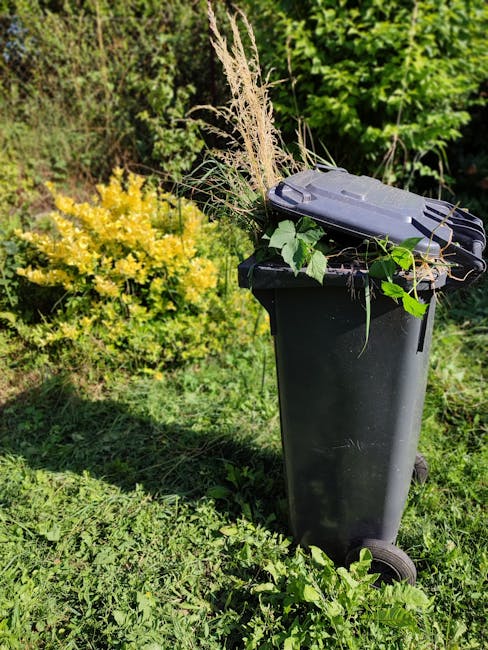
Enfield Council Garden Waste Rules: Brimsdown Gardeners Guide
If you garden in Brimsdown, waste builds up faster than you expect. One weekend of hedge trimming, lawn cutting, and border tidy-ups can leave you with a surprising pile of green waste, and that is where the Enfield Council garden waste rules Brimsdown gardeners guide becomes genuinely useful. The aim here is simple: help you understand what usually counts as garden waste, how it is commonly handled in Enfield, and what local gardeners should check before they bag, stack, move, or book anything for removal.
Truth be told, most problems are not caused by the gardening itself. They happen because people mix different waste types, overfill bags, or assume every bit of garden debris can go into the same collection stream. Let's fix that. This guide covers the practical side, the compliance side, and the everyday "what do I do with this pile of branches now?" side too.
Why Enfield Council garden waste rules Brimsdown gardeners guide Matters
Garden waste rules matter because green waste is not just "rubbish". It behaves differently from household rubbish, and councils handle it differently for a reason. Leaves, grass cuttings, hedge clippings, and small prunings can often be recycled or composted if they are kept clean and separated. But once you mix in soil, stones, food waste, plastic plant pots, or bits of timber, the whole lot becomes harder to process.
For Brimsdown gardeners, this matters in everyday life. A simple spring tidy-up can turn into a larger job after a wet week, and a wet heap of clippings in a bag is heavier, messier, and awkward to move. If you are planning regular upkeep, it also affects how you schedule work with a local gardener or arrange a larger clearance. A tidy, sorted load is easier to manage and usually far less stressful than a mystery pile in the corner of the garden shed.
There is another angle too: good waste handling keeps outdoor spaces looking sharp and keeps pathways, side access, and shared fronts clearer. In a busy patch like Brimsdown, where many homes have limited storage and narrow access, that practical side makes a big difference. A small habit, repeated well, saves a lot of faff later on.
How Enfield Council garden waste rules Brimsdown gardeners guide Works
While local collection arrangements can change, the general structure is usually straightforward. Garden waste is normally expected to be separated from general household waste and presented in the way the council specifies. That may mean a dedicated container, approved sacks, a subscription-style garden waste service, or another permitted method. The key point is not to assume the same rules apply everywhere or that one system will suit every property.
In practice, the rules usually revolve around four simple ideas:
- Keep garden waste clean. Soil, rubble, plastic, metal, and general litter usually do not belong in the same load.
- Use the right presentation method. Councils often care about how waste is set out as much as what the waste is.
- Know what is accepted. Grass cuttings, leaves, weeds, and soft green waste are usually the easiest to deal with.
- Plan for bulky or woody material separately. Thick branches, trunks, and large tree waste often need a different approach.
If you are managing a one-off clear-up, that may be enough. If you are a regular gardener, though, it is worth thinking in systems. For example, one bucket for soft green waste, one pile for woody cuttings, and one separate container for anything that needs special handling. Not glamorous, but it works.
In our experience, the people who avoid headaches are the ones who sort as they go. They do not leave it until the end, when the patio is wet, the gloves are muddy, and everything starts looking suspiciously the same. And yes, we have all been there.
Key Benefits and Practical Advantages
Following the right waste rules brings a lot more than compliance. It makes gardening easier, cleaner, and cheaper to organise in the long run.
- Less contamination: clean green waste is more likely to be accepted for recycling or composting.
- Better garden hygiene: fewer piles sitting around means fewer smells, pests, and soggy corners.
- Safer working space: clear access paths reduce slips, trips, and awkward lifting.
- More efficient clearances: a sorted load takes less time to deal with, especially during larger jobs.
- Lower stress: you are not left guessing whether your bags are acceptable or not.
For customers who book regular garden maintenance, this also helps keep the service smoother. A gardener who can trim, collect, and separate waste cleanly can often move through a job without that annoying stop-start feeling. It just flows better.
There is a quieter benefit too: a well-managed garden often feels calmer. You notice it in the sound of footsteps on clear paving, in the look of a tidy border, even in the smell of fresh cut grass instead of damp rotting clippings. Small thing, maybe. But it matters.
Who This Is For and When It Makes Sense
This guide is useful if you are a homeowner, landlord, tenant, or gardener working in Brimsdown and wider Enfield. It is especially relevant if you:
- do regular mowing, pruning, or hedge work;
- are clearing up after seasonal growth in spring or autumn;
- have a front garden, side access, or shared storage that limits how waste is handled;
- are arranging a one-off tidy-up before a move, sale, or tenancy check;
- are comparing council collection with private removal or garden clearance services.
It also makes sense if you are deciding whether a job is a quick tidy or something bigger. A lot of people start by thinking, "It's only a few bags." Then the back corner reveals a collapsed shrub, three wheelbarrow loads of ivy, and a broken planter. You know how it goes.
If your garden work involves more than grass and soft cuttings, you may want to look at garden clearance for heavier or mixed waste, or tree lopping and removal if the job includes substantial woody material. For bigger redesigns, landscape gardening and landscaping projects often create waste streams that need proper planning from day one.
Step-by-Step Guidance
If you want to stay on the right side of the rules and keep things manageable, a simple step-by-step approach works best.
- Identify the waste type. Separate soft green waste, woody waste, soil, and non-garden items.
- Check the council method in use. Confirm how garden waste should be presented for collection in your specific Enfield set-up.
- Sort as you cut. Put clippings, twigs, and branches into different piles rather than tossing everything together.
- Reduce volume where possible. Chop long stems, flatten bags if appropriate, and avoid leaving wet heaps to pack down.
- Keep contamination out. Remove pots, ties, stones, dead lighting cables, and anything not truly garden waste.
- Plan for bulky waste early. If the job involves roots, thick branches, or hard material, use a separate plan.
- Store safely before collection. Keep bags where they will not block access, get waterlogged, or blow about.
A realistic example: after trimming a hedge along a Brimsdown boundary, you may have a mix of soft leaves, light twigs, and a few thicker woody sections. The sensible move is to divide those before collection day. That way, if one part of the load needs a different handling method, you are not trying to untangle it all at the kerb at 7:30 in the morning. Nobody needs that sort of drama before tea.
If you are using professional help, this is also the point where a good provider should advise on what is included and what needs separate disposal. Clear expectations matter. They really do.
Expert Tips for Better Results
A few practical habits can make the whole process smoother. These are the things that tend to help on real jobs, not just in neat theory.
- Work dry if you can. Wet grass and leaves are heavier and more compact, which makes bags awkward and messy.
- Cut waste down before bagging. Shorter pieces are easier to manage and less likely to snag.
- Use the right container size. Overstuffed bags split easily and are a nuisance to move.
- Keep a separate pile for woody cuttings. This saves time when you are deciding what can go where.
- Do a quick sweep at the end. Small bits of wire, plastic ties, and labels are easy to miss.
One thing we often suggest is to keep a "garden waste corner" for short periods while you work, especially during bigger tidy-ups. It sounds obvious, but having one clean zone for sorting waste stops the job from sprawling across the whole garden. It also makes the final tidy feel much more satisfying.
For ongoing upkeep, services such as hedge trimming, lawn mowing, and garden maintenance can keep waste at a more manageable level. Smaller, regular jobs are usually far less painful than one massive clear-out after months of growth. Ask anyone who has wrestled with an overgrown laurel in October.
Common Mistakes to Avoid
The most common mistakes are usually simple, which is annoying because they are also the easiest to avoid.
- Mixing garden waste with general rubbish. Even a few wrong items can cause problems.
- Including soil, rubble, or stones. These usually belong in a different waste stream.
- Assuming all branches are treated the same. Thick woody waste often needs separate handling.
- Leaving bags open or badly tied. Wind, rain, and wildlife will not help you here.
- Putting out waste too early or in the wrong place. This can create clutter or collection issues.
- Forgetting access and safety. A heavy sack near a narrow path is a classic trip hazard.
Another mistake is treating every council or service arrangement as identical. It simply is not. Rules and collection arrangements can differ depending on property type, service setup, and local policy changes. If anything looks unclear, double-check before setting the load out. One phone call or message can save a whole week of irritation.
And yes, we know. No one wants to spend their Saturday reading waste instructions. But a five-minute check beats dragging bags back in later.
Tools, Resources and Recommendations
You do not need fancy kit to handle garden waste well, but a few sensible tools make the job much easier.
- Heavy-duty garden bags: useful for leaves, grass, and light clippings.
- Tarpaulin: great for dragging waste across a patio or driveway without scattering debris.
- Rake and leaf grabbers: helpful for gathering lighter material quickly.
- Bypass secateurs and loppers: make pruning neater and reduce awkward long pieces.
- Wheelbarrow: practical for moving waste without lifting every load by hand.
- Gloves and sturdy footwear: basic, but worth saying because people still forget.
If you are looking at a larger project, it may be sensible to compare what you can do yourself against what a professional team can take on in one visit. A reliable place to start is the services overview, especially if the job might involve maintenance, clearance, or mixed outdoor work. If pricing and job scope matter to you, pricing and quotes is the logical next stop.
For people who care about greener disposal habits, the site's recycling and sustainability page is also worth a look. Keeping waste clean and separated is not just about rules; it also supports better reuse and recovery where possible.
Law, Compliance, Standards, or Best Practice
Garden waste handling sits in a practical middle ground: it is not usually complicated, but it does need care. In the UK, waste should generally be stored, moved, and disposed of responsibly, and mixed loads can create issues if materials are contaminated or misclassified. Local councils set their own collection arrangements, so the safest approach is to follow the current Enfield instructions rather than rely on memory or what a neighbour does next door.
For Brimsdown gardeners, the best practice is simple:
- keep garden waste separate from household rubbish;
- do not add hazardous items, rubble, or general junk;
- present waste in the way the council or service provider specifies;
- handle bulky branches, roots, and mixed clearances as separate jobs when needed;
- use safe lifting and storage methods so waste does not become a site hazard.
If you are hiring help, good professional practice matters too. Ask whether the team is insured, how they manage waste segregation, and what happens if a job expands beyond the original brief. A reputable provider should be clear about that. On that note, insurance and safety is a useful page to review if you are checking how a company approaches risk and job handling.
For businesses and householders alike, respecting waste rules is not just about avoiding hassle. It is about keeping gardens tidy, keeping people safe, and reducing the chance of avoidable mess or rejected waste. Straightforward, really.
Options, Methods, or Comparison Table
There are usually three practical ways Brimsdown gardeners deal with garden waste: council collection, self-managed disposal, or booking a professional clearance. Which one is best depends on volume, waste type, access, and how much time you want to spend doing heavy lifting.
| Option | Best for | Pros | Watch-outs |
|---|---|---|---|
| Council garden waste collection | Routine green waste from regular garden maintenance | Convenient, structured, suitable for standard soft waste | Must follow the exact presentation rules; not ideal for mixed or bulky loads |
| Self-managed disposal | Small volumes, DIY gardeners, flexible schedules | Full control over timing and sorting | Requires transport, lifting, and correct disposal knowledge |
| Professional garden clearance | Large clear-outs, overgrown plots, mixed waste | Saves time, handles heavier jobs, good for one-off resets | Usually costs more than simple collection, so scope should be clear |
As a rule of thumb, if your waste is mainly grass, leaves, and light trimmings, a council-style solution may be enough. If you are dealing with mature shrubs, branch piles, or a garden that has been neglected a while, the job quickly moves into clearance territory. There is no shame in that. Gardens change, and sometimes they all decide to need attention at once.
Case Study or Real-World Example
Picture a typical Brimsdown front and back garden after a few busy weekends. The lawn has been cut, the hedge line has been tidied, and the border has been weeded. At first glance, it does not look like much. Then you start stacking the waste and realise it is a lot of material: soft grass in one pile, hedge cuttings in another, and a few thicker offcuts from a shrub that has been getting in the way for months.
Instead of mixing everything into one heavy heap, the smarter approach is to separate the waste at source. The grass and leaves go into one container, the hedge trimmings into another, and the woody bits are set aside for a different disposal route. The result is cleaner sorting, easier moving, and far less chance of the wrong material ending up in the wrong stream.
That kind of job often runs more smoothly when linked to regular upkeep rather than left until it becomes a rescue mission. For example, a combination of lawn mowing and hedge trimming can keep waste manageable through the season. If a larger reset is needed, a well-planned garden clearance is usually the cleaner option.
Nothing dramatic happened in that scenario. That is the point. Good waste management quietly prevents the messy bit from becoming a whole episode.
Practical Checklist
Use this checklist before you put out, move, or book removal for garden waste in Brimsdown.
- Have I separated soft green waste from woody waste?
- Have I removed soil, rubble, plastic, and general rubbish?
- Do I know how Enfield expects garden waste to be presented?
- Are any branches, trunks, or heavy items too bulky for the normal route?
- Are the bags or containers securely tied and not overfilled?
- Is the waste stored safely and not blocking access or walkways?
- Have I checked whether this job needs regular maintenance or a one-off clearance?
- Do I need professional help for lifting, sorting, or removal?
If you can tick most of those off without thinking too hard, you are in a good place. If not, pause and sort first. That little bit of discipline pays for itself.
Get a free quote today and see how much you can save.
Conclusion
The Enfield Council garden waste rules Brimsdown gardeners guide is really about making garden work less chaotic and more manageable. Keep waste clean, sort it properly, and choose the right route for the job in front of you. That alone avoids most of the usual mistakes. It also keeps your garden easier to maintain, which is half the battle in a place where the weather can turn yesterday's tidy border into today's soggy stack of clippings.
If you are unsure whether your waste is normal green waste, mixed clearance, or something bulkier, treat that as a signal to slow down and plan properly. Better sorting now means less stress later. And honestly, that is a pretty good trade.
For ongoing help, a regular maintenance plan can keep waste under control before it becomes a problem, while larger jobs may need a clearer clearance strategy. Either way, the goal is the same: a tidy, safe, well-kept outdoor space that feels easy to enjoy. Nice and simple, really.
Frequently Asked Questions
What counts as garden waste in Enfield?
Garden waste usually means natural material from garden work, such as grass cuttings, leaves, weeds, hedge trimmings, and small prunings. It is best kept separate from general household rubbish, soil, rubble, plastic, and other non-garden items.
Can I put branches in the normal garden waste collection?
Small twiggy material is often easier to handle than thick branches, but larger woody waste may need a different disposal method. If the branches are bulky or heavy, treat them separately rather than assuming they will fit the standard route.
Do I need a special container for garden waste?
That depends on the current council arrangement. Some services use specific bins or bags, while others have a subscription or set-out method. Always check the current local instructions before you put anything out.
Can I mix soil with green waste?
It is usually better not to. Soil, stones, and rubble can contaminate green waste and make it harder to recycle or process. Keep soil separate unless the collection instructions clearly say otherwise.
What should I do with hedge cuttings after trimming?
Sort them as green waste if they are soft and leafy, or separate them if they include thicker woody sections. For larger hedge jobs, especially after a big seasonal trim, a planned collection or clearance may be the cleanest option.
Is garden clearance the same as garden waste collection?
Not quite. Garden waste collection is usually about routine, standard green waste. Garden clearance is broader and often used for bigger jobs, mixed materials, or heavily overgrown spaces that need a more complete reset.
How can I reduce the amount of garden waste I produce?
Regular maintenance helps a lot. Smaller, more frequent cuts produce less waste than long gaps between jobs. Composting some suitable material at home can also reduce the volume, as long as you keep it appropriate and manageable.
What happens if I put the wrong things in garden waste?
Mixed or contaminated waste may be rejected or treated differently. At best, it creates extra work. At worst, it can cause collection issues or extra disposal costs. Sorting properly first is the safer bet.
Should I book a professional for garden waste removal?
If the job is small and straightforward, you may manage it yourself. But if you have a lot of waste, limited access, heavy branches, or no easy way to transport it, a professional service can save a lot of time and effort.
How often should garden waste be cleared?
That depends on how active the garden is. A tidy lawn and regularly pruned borders may only need occasional disposal, while fast-growing hedges or larger plots may need ongoing attention. As a practical rule, do not let waste sit too long.
Why does proper sorting matter so much?
Because clean, separate waste is easier to recycle, easier to move, and less likely to cause hassle. It also keeps your garden cleaner and safer. Small effort, decent payoff.
Where should I start if I have a lot of overgrown waste?
Start by splitting the job into waste types: soft green material, woody cuttings, and anything non-garden. If it feels too big to tackle in one go, a service like garden clearance or a combined maintenance visit may be the smarter move.