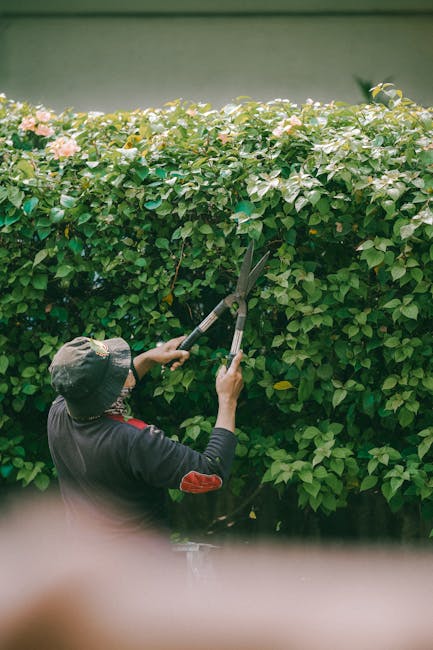
Brimsdown EN3 gardeners what to know about access and parking
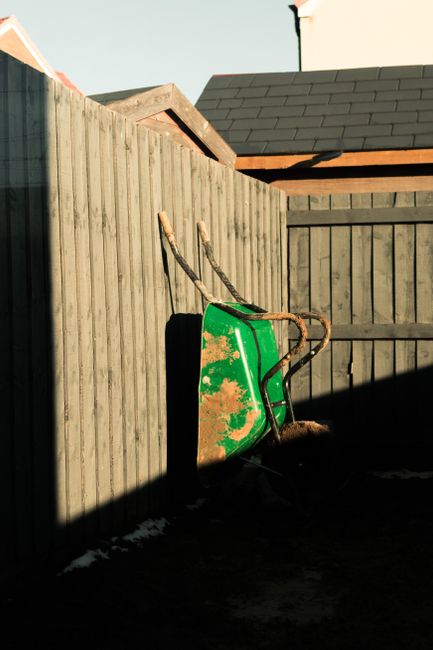
If you are planning garden work in Brimsdown, one of the first things to sort out is not the planting plan or the mowing schedule - it is access and parking. That sounds mundane, but in practice it can shape the whole visit. Can the team unload close to the garden gate? Is there room for a van? Will they need to carry tools, waste bags, hedge trimmers, or decking materials a long way from the road? These little details matter, and they matter a lot.
This guide explains Brimsdown EN3 gardeners what to know about access and parking in plain English. It covers how gardeners usually approach tight front drives, shared roads, restricted entrances, and waste removal, plus the small booking details that help a job run smoothly. If you want less stress on the day, fewer delays, and a cleaner finish, you are in the right place.
In our experience, the best gardening visits are the ones where access has been thought through before anyone arrives. A few minutes of preparation can save a surprising amount of time later. Truth be told, it can be the difference between a relaxed morning and one of those slightly awkward "where do we put the van?" conversations at the kerb.
Why Brimsdown EN3 gardeners what to know about access and parking Matters
Garden work is physical, practical, and often time-sensitive. If a gardener cannot park sensibly or get equipment through the property without hassle, the job gets slower and sometimes more expensive. That is the simple version.
For Brimsdown EN3 homes, access can vary quite a bit. Some properties have straightforward driveways and side gates, while others sit on busier residential streets with limited parking and narrow approach paths. You may also have shared access, alley gates, bins in awkward places, or a garden tucked behind the house with no direct side entry. None of that is unusual. It just needs a plan.
Parking matters because most garden services involve more than a pair of shears and a bucket. Even a routine visit may involve mowers, strimmers, hedge cutters, tarps, fuel, hand tools, bags for green waste, and sometimes larger items for clearance or landscaping. If the vehicle needs to stop far away, the team spends more time walking back and forth instead of actually getting on with the garden. Not ideal.
It also matters for safety. Clear access means less carrying through tight indoor spaces, fewer trip hazards, and lower risk of damage to paths, gates, flowerbeds, or parked cars. That is especially relevant if the job includes something heavier, like garden clearance, hedge trimming, or tree-related work. For a broader view of the services that often need careful site access, have a look at the services overview.
Expert summary: good access planning is not a small detail - it is part of the service. When the parking, entry route, and unloading point are clear, the job tends to be tidier, quicker, and easier for everyone involved.
How Brimsdown EN3 gardeners what to know about access and parking Works
Most garden visits follow a fairly predictable pattern. The gardener arrives, parks where possible, checks the route into the garden, unloads the tools, and starts work. Simple enough on paper. In real life, a few local variables can change that routine quite quickly.
Here is what usually happens:
- Initial check-in: the client explains the property layout, parking options, gates, and any special access instructions.
- Arrival and parking: the team looks for the safest and most practical place to stop, ideally without blocking neighbours, dropped kerbs, or driveways.
- Unloading: tools and materials are brought in, often by hand, so the closer the vehicle can get, the better.
- Work starts: once access is sorted, the team can work methodically rather than constantly adapting to obstacles.
- Waste handling: cuttings, branches, soil, and other debris are either bagged, moved to a collection point, or taken away depending on the job.
The practical side is not glamorous, but it is exactly what keeps the day running smoothly. A gardener who knows there is a locked side gate, a steep path, or a narrow passage can bring the right kit and plan their movements sensibly. That saves time and avoids the slightly ridiculous situation of discovering a hedge trimmer won't fit through a door after the van has already been parked three streets away.
For more details on garden upkeep visits where access planning is often part of the job, see garden maintenance and lawn mowing. If your job is more about overgrowth than routine care, hedge trimming and garden clearance are also worth reviewing.
Key Benefits and Practical Advantages
Getting access and parking right is not just about convenience. It brings real advantages that you will notice on the day.
- Faster work: less time spent walking tools and waste in and out.
- Cleaner finish: easier movement means less chance of accidental mess across paths or lawns.
- Lower stress: nobody likes standing around trying to improvise with a van and a hedge trimmer in hand.
- Better safety: fewer awkward lifts and fewer obstacles in the working area.
- More accurate scheduling: the team can estimate the job more reliably when they know what they are walking into.
- Less neighbour friction: careful parking reduces the risk of blocking drives or creating avoidable complaints.
There is another benefit people sometimes overlook: better access can improve the quality of the work itself. If the team can move between the van and the garden efficiently, they are less likely to rush the finishing touches. That matters whether the task is basic maintenance, a new planting scheme, or a more involved landscaping project.
It is also easier to separate routine jobs from larger projects. A quick mow on an open site is one thing; a full redesign involving materials, spoil removal, or decking is another. If the layout is awkward, it may affect how the job is quoted and how many visits are needed. That is normal, and it is better to know early rather than halfway through.
Who This Is For and When It Makes Sense
This topic matters to a lot of different people, not just homeowners with a neat front drive. If you live in Brimsdown EN3 and need any kind of garden service, access should be part of the conversation.
It is especially relevant if you are:
- booking a one-off tidy-up after a long spell of growth
- arranging regular garden maintenance
- managing a property with limited street parking
- having work done in a back garden with no direct vehicle access
- planning hedge trimming, tree work, or heavy clearance
- considering landscaping or decking that involves deliveries and materials
- trying to keep neighbours happy in a shared or tightly packed street
It also makes sense if you are an older resident, a landlord, a letting agent, or someone preparing a property for sale. In those situations, the visit often needs to be tidy, predictable, and efficient. No one wants a contractor blocked in by a delivery van while the job timer is quietly running. That sort of thing has a way of making a small job feel much bigger.
If the work involves more than maintenance, you may also want to review landscape gardening, landscaping, or decking services so you can judge whether material deliveries and waste removal will need special parking arrangements.
Step-by-Step Guidance
If you want a smooth visit, the best approach is to think like the gardener for a minute. Where will they stop? How will they carry tools? What might slow them down? A little practical empathy goes a long way.
1) Walk the route before the visit
Look at the path from the street to the work area. Check for narrow gates, steps, muddy patches, low branches, locked side access, or anything fragile that should be protected. If the route is awkward in daylight, it will feel even tighter when someone arrives with equipment.
2) Confirm parking options early
Tell the gardener where they can likely park and whether there are any restrictions, resident bays, shared drives, or times when the road gets crowded. If there is a better place to stop during school run hours or bin day, mention that too. Small detail, big help.
3) Clear the working area
Move cars, bins, bikes, toys, and garden furniture out of the way where possible. If the team needs to pass through a side gate, make sure it opens properly and is not jammed by plant growth or storage items.
4) Flag anything unusual
If there is a weak fence panel, a loose paving slab, a low overhead cable, or a neighbour's access issue, say so before the team arrives. Better awkward now than awkward later. Nobody wants a surprise at the gate.
5) Plan waste removal
For clearance jobs, ask how waste will be collected and where it should be stacked. If access is tight, the team may prefer smaller piles or bags in a certain area. The same applies to jobs like hedge cutting or tree work, where cuttings can build up quickly. See also tree lopping and removal if the work includes larger branches or heavier material.
6) Check arrival instructions
Give clear directions, entry codes if relevant, and a contact number that will be answered. There is nothing fancy here. Just clear, useful information.
To be fair, most access issues are solved by decent communication rather than anything technical.
Expert Tips for Better Results
After enough site visits, you start to notice the same patterns. The jobs that run best are the ones where the practical details were handled upfront. Here are a few tips that make a real difference.
- Leave the closest possible parking space free. Even one extra minute of carrying per trip adds up over a whole morning.
- Send a couple of photos before the visit. A front gate, side access, and the garden entrance are usually enough to give a good picture.
- Tell the truth about the space. If the gate is narrow or the path is muddy, say so. It is far easier to plan around honest details.
- Think about weather. A route that is fine in dry weather can become slippery after rain, especially on paving or compacted soil.
- Keep pets and children clear during unloading. Tools, open gates, and moving bins are not a great mix with a curious dog or a toddler in wellies.
- Ask about the biggest items first. If you have large branches, soil bags, or materials for landscaping, those usually dictate access more than the smaller tools do.
One small but useful habit: photograph the parking area and access route before the job, then keep the images handy. It sounds a bit overcautious, but when a van is arriving during a busy weekday, those photos can save a back-and-forth phone call.
For clients comparing service providers, it can also help to review pricing and quotes. Accurate access details often lead to more accurate estimates, which is exactly what you want.
Common Mistakes to Avoid
A few repeated mistakes cause most of the hassle. Thankfully, they are easy to avoid once you know what to look for.
- Assuming parking will "just work out". It sometimes does, but not always, and not on busy streets.
- Leaving bins or vehicles in the access route. That can force extra lifting and slow the whole job.
- Not mentioning restricted access. Narrow gates, steps, or locked entries should never be a surprise.
- Forgetting about waste movement. Clearance jobs need space, often more than people expect.
- Booking too optimistically. If the garden has difficult access, allow a little breathing room in the schedule.
- Ignoring neighbour impact. A blocked driveway or noisy loading at the wrong moment can create avoidable friction.
Another common one: people focus only on the front of the property. But the real pinch point is often at the side passage, the back gate, or the final few metres into the garden. That is where the job either flows nicely or starts to wobble.
If the work is tied to bigger property improvements, such as a redesign or hard landscaping, it can help to also review the wider service information on landscape gardening and landscaping, because material access becomes even more important there.
Tools, Resources and Recommendations
You do not need specialist equipment to prepare well. A sensible, practical approach is usually enough.
| Item or resource | Why it helps | Best use case |
|---|---|---|
| Phone photos of the entrance | Shows gate width, path shape, and parking options | Any job with unclear access |
| Basic site notes | Records codes, steps, bins, or locked points | Repeat visits and seasonal maintenance |
| Flexible parking plan | Gives the team a backup if the nearest bay is taken | Residential streets with limited space |
| Clear storage area in the garden | Lets tools and cuttings be placed safely out of the way | Clearance, pruning, hedge work |
| Service overview and quote page | Helps match the job to the right type of visit | Comparing routine care with larger projects |
A useful recommendation is to keep access notes somewhere permanent rather than retyping them each time. A simple note on your phone works. So does a photo album labelled with the property. Not glamorous, but very effective.
If you want to understand how a provider handles operational details and customer service, the about us page and insurance and safety information can also give you a reassuring picture of how the business works. For policies and standards behind the scenes, health and safety policy and recycling and sustainability are useful reads.
Law, Compliance, Standards, or Best Practice
For most domestic gardening visits, the main concerns are practical rather than legal. Still, good practice matters. Gardeners should work in a way that avoids unnecessary obstruction, reduces risk, and respects neighbours, shared access, and property boundaries.
In the UK, common-sense standards usually cover most of the ground here:
- Parking responsibly: do not block drives, dropped kerbs, or emergency access routes.
- Safe manual handling: heavy or awkward loads should be moved carefully, especially through narrow access points.
- Clear communication: access instructions, entry arrangements, and site hazards should be shared in advance where possible.
- Risk awareness: wet surfaces, uneven paving, overgrown routes, and loose stones can all create avoidable slips or trips.
- Respect for neighbours: loading, unloading, and waste movement should be planned so disruption stays reasonable.
For the customer, best practice is the same spirit in reverse: provide accurate information, keep access clear, and tell the team about anything unusual on site. If there are insurance, payment, or complaints concerns, it is sensible to review the relevant policy pages ahead of time, including payment and security and complaints procedure.
There is also a small but important accessibility angle. If a property has step-free access issues, narrow entrances, or mobility-related constraints, it is worth saying so early. That helps the gardener choose the right approach and avoids unnecessary strain on both sides. More detail is available in the accessibility statement.
Options, Methods, or Comparison Table
Not every garden job needs the same access setup. The best method depends on the type of work, the vehicle size, and the property layout. Here is a simple comparison to help you think it through.
| Access method | Best for | Pros | Watch-outs |
|---|---|---|---|
| Direct roadside parking | Routine maintenance, mowing, light pruning | Fast unloading, easy turnaround | May be limited by street parking pressure |
| Driveway parking | Most domestic visits with enough space | Safest and most convenient | Needs permission and a clear surface |
| Shared access or alley entry | Back-garden jobs, limited frontage | Can keep the work discreet | Often narrow, awkward, or partially obstructed |
| Multiple short carries from the van | Clearance or larger landscaping projects | Flexible when parking is imperfect | Slower and more physically demanding |
There is no single "best" option for every property. A tidy driveway is great for a regular mow. A rear access route may be fine for trimming. But if the work includes branches, timber, or building materials, the route from van to garden becomes much more important. That is where a proper conversation before the visit really pays off.
Case Study or Real-World Example
A fairly typical Brimsdown scenario goes like this. A homeowner books a mixed visit: lawn cutting, hedge shaping, and a bit of light garden clearance after several weeks away. On paper it sounds straightforward. The garden itself is manageable, but the street parking is tight around mid-morning and the side gate is narrow.
Before the visit, the customer sends a quick photo of the gate and explains that one family car will stay on the drive. They also mention that the back path has a couple of loose slabs near the shed. Small details, but useful ones.
Because the access information is clear, the gardener arrives with a smaller unload plan, parks a short walk away, and brings in the tools in one organised set rather than several trips. The hedge cuttings are bagged as they go, and the loose slab area is avoided. The job finishes on time, the lawn looks crisp, and there is no awkward scramble to find somewhere for the waste pile.
Nothing dramatic happened there. That is the point. Good access planning is often invisible when it works well. You just notice that the afternoon still feels calm, the edges are neat, and nobody is trying to squeeze a wheelbarrow past a parked car. Lovely, really.
Practical Checklist
Use this before your gardener arrives in Brimsdown EN3:
- Confirm where the vehicle can park
- Check whether a driveway, bay, or roadside space will be available
- Tell the gardener about gates, locks, codes, or keys
- Clear the route from parking point to garden entrance
- Move bins, bikes, toys, and cars out of the way
- Flag narrow paths, steps, mud, slopes, or fragile areas
- Let the team know about large waste or heavy materials
- Send photos if the layout is not obvious
- Keep pets and children clear during unloading
- Check the weather if the route may become slippery
- Share a good contact number for arrival updates
Quick reminder: if the job is more involved than simple maintenance, review the service information first so the access plan matches the work. A few minutes spent on that can save a lot of faffing about later.
Get a free quote today and see how much you can save.
Conclusion
The main thing to remember about Brimsdown EN3 gardeners what to know about access and parking is that the practical side matters as much as the gardening itself. The easier it is to park, unload, and move safely through the property, the smoother the visit will be. That is true whether you are booking a quick mow, a hedge trim, a full clearance, or a more ambitious landscaping project.
Good access planning is simple, but it is not casual. It requires a few honest details, a bit of forethought, and the kind of communication that saves everyone time. Once that is in place, the garden work itself can shine through. And that, after all, is what you actually want.
Keep the route clear, share the key details, and let the work unfold without unnecessary hassle. It makes the whole experience feel more professional, more relaxed, and a bit less like a logistics puzzle on a Tuesday morning.
Take care of the access first, and the rest tends to follow nicely.
Frequently Asked Questions
Do gardeners in Brimsdown EN3 need driveway parking?
Not always. A driveway is convenient, but many jobs can be done with roadside parking or a nearby space if the access route into the garden is clear. The key is to be honest about how far tools and waste will need to be carried.
What should I tell a gardener before they arrive?
Tell them where to park, how to access the garden, whether gates are locked, and if there are any awkward steps, narrow paths, or fragile areas. If the garden is on a busy street, mention parking pressure too. It really helps.
How do I know if my garden access is too narrow?
If a wheelbarrow, mower, or bagged waste would struggle through the route, it is probably worth mentioning. A few photos usually make this much easier to judge. When in doubt, send the pictures and let the gardener assess it.
Can a gardening team work if there is no parking outside?
Often yes. They may park a little farther away and carry the equipment in. That said, it can affect timing and may be more suitable for lighter maintenance jobs than heavier clearance or landscaping work.
What happens if there is nowhere obvious to unload?
The team will usually look for the safest practical option, but it is much better to plan this in advance. A clear place to stop for a few minutes can make the whole visit far easier and safer.
Should I move my car before the visit?
If your car blocks the best access point or the main unloading space, yes. Even moving one vehicle can save a lot of carrying time and avoid extra wear on paths and lawns.
Does difficult access change the price?
It can, depending on the job. Extra carrying, restricted parking, and more time on site may affect the quote. The most accurate estimates usually come from clear access information up front.
What if my back garden is only accessible through the house?
That is workable in some cases, but it should always be discussed first. Some jobs are fine with indoor access, while others are not suitable because of mess, weight, or the risk of damage inside the property.
How can I make hedge trimming easier for the team?
Clear the area under and around the hedge, make sure access paths are open, and move any cars or objects that might block cuttings being carried out. For larger hedges, a little extra space makes a noticeable difference.
Is access information important for garden clearance?
Absolutely. Clearance jobs can create bulky waste very quickly, so the team needs to know how far everything must be carried and where waste should be stacked. If you are unsure, mention it early and keep it simple.
Where can I learn more about the company and its standards?
You can read the about us page, along with the pages covering insurance and safety, health and safety policy, and payment and security. Those are useful if you want a better sense of how the service is run.
What is the best first step if I am unsure about parking?
Send a brief description and a couple of photos before booking. That gives the gardener a realistic picture of the site and makes it easier to advise you properly. If the access is unusual, say so. Most of the time, a straightforward explanation is enough.
Can I ask for advice before deciding on a larger garden project?
Yes, and you probably should. If you are considering landscaping, decking, or a bigger clearance job, access and parking may affect the order of work, the equipment needed, and the overall estimate. Getting that sorted early is just sensible.